Do Composite Fences Fade or Warp?
Explore how composite fences combat fading and warping compared to wood. Learn about durability, maintenance, and selecting the right contractor.
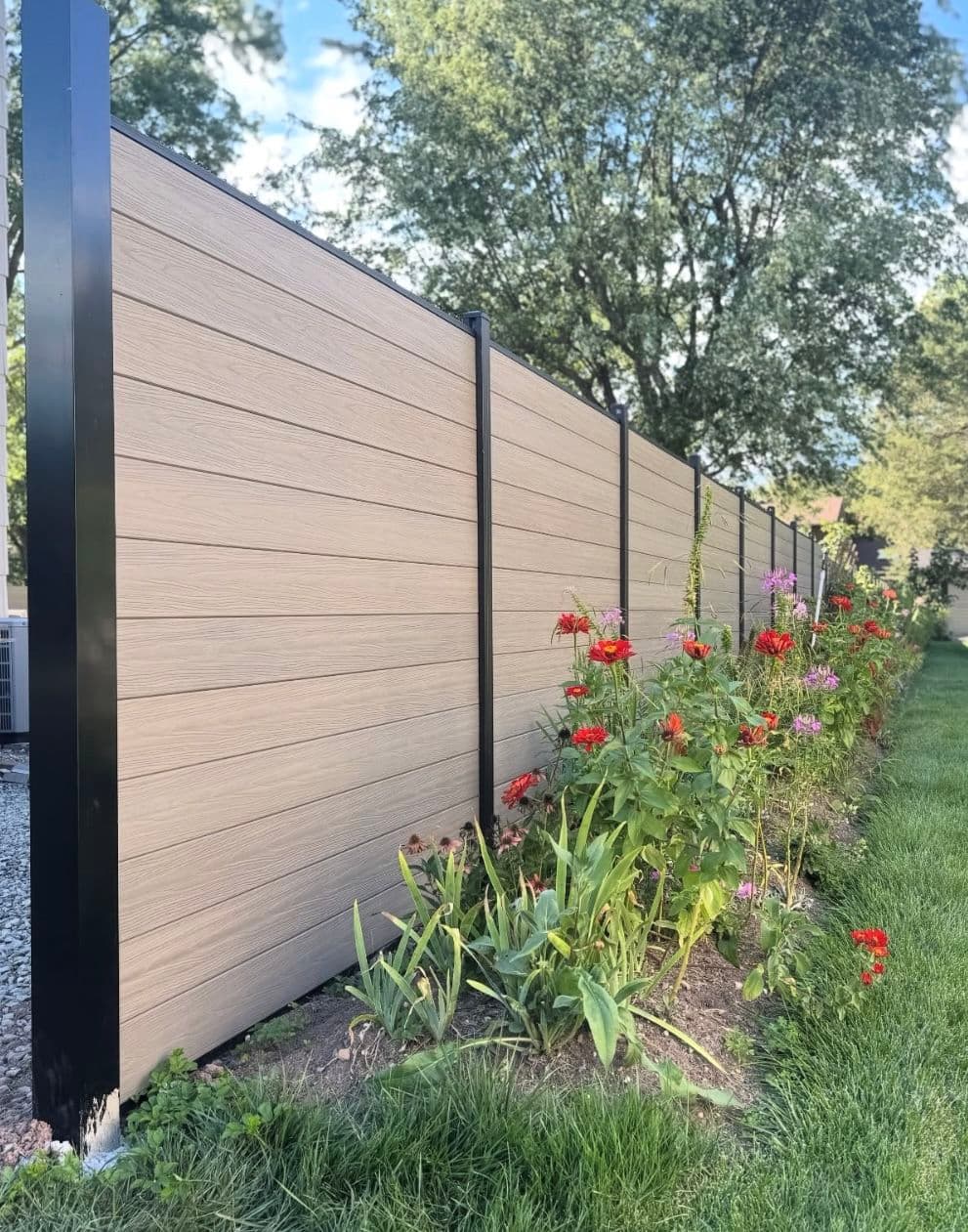
Composite fencing has quickly become one of the most requested fence styles across Bergen County and surrounding North Jersey towns. Many homeowners are moving away from traditional wood fencing and choosing composite materials because they want a cleaner appearance, less maintenance, and a fence that can handle the changing New Jersey weather.
One of the most common questions homeowners ask before investing in a composite fence is whether the material will fade or warp over time. Since composite fencing is a premium product compared to vinyl or wood, it makes sense to understand how it performs long term before making a decision.
The good news is that high-quality composite fencing is specifically designed to resist many of the common problems that traditional wood fences experience. However, there are still important factors that affect how well the fence holds up over the years.
Why Wood Fences Commonly Warp and Fade
Traditional wood fencing has been used for decades, but one of its biggest disadvantages is how sensitive it is to weather exposure. In North Jersey, fences go through hot summers, freezing winters, heavy rain, snow, and moisture throughout the year. These constant temperature changes cause wood to expand and contract repeatedly.
Over time, this movement can lead to boards twisting, warping, cracking, or separating. Sun exposure also causes wood to lose its original color, which is why many wood fences eventually turn gray or uneven in appearance.
Even when homeowners stain or seal their fence regularly, maintenance becomes an ongoing cycle that usually needs to be repeated every few years to maintain the original look.
How Composite Fencing Is Different
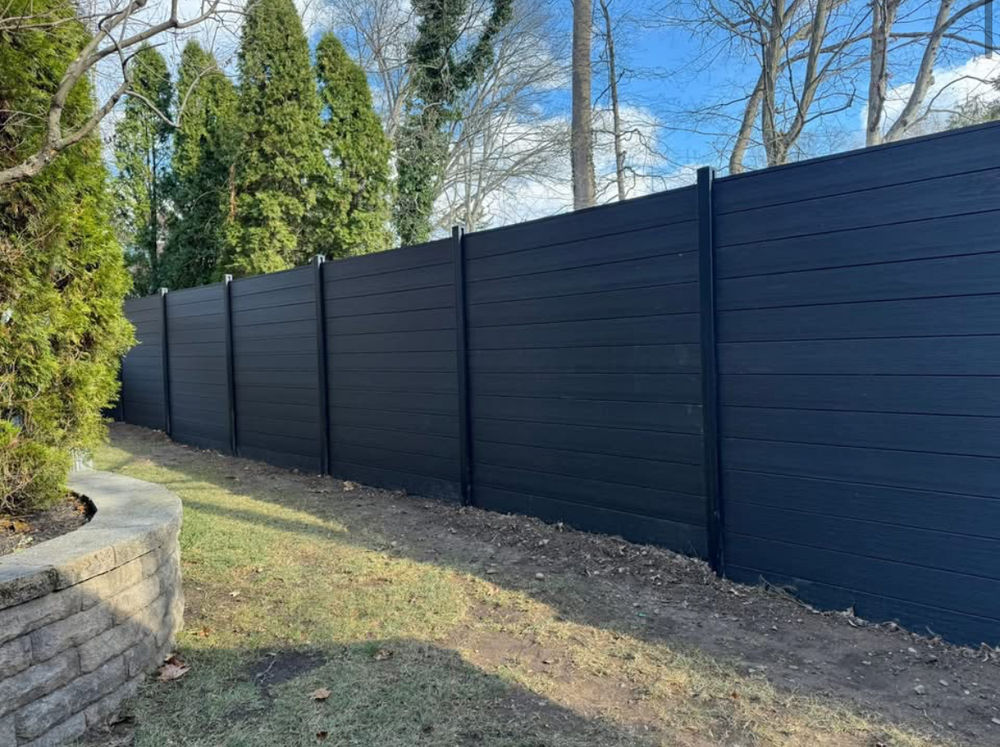
Composite fencing is manufactured using a blend of recycled wood fibers and plastic materials. This combination creates a product that keeps the natural appearance of wood while reducing many of the problems associated with traditional lumber.
Unlike wood fencing, composite materials are far more resistant to moisture absorption. This helps reduce the chances of rotting, swelling, insect damage, and structural movement over time.
Another major advantage is consistency. Composite boards are manufactured to maintain a straighter and more uniform appearance, which helps homeowners achieve a modern and clean backyard design.
This is one of the main reasons why so many newer homes and renovated properties throughout Bergen County are switching to composite fencing systems.
Do Composite Fences Fade Over Time?
Like any material exposed to sunlight year after year, composite fencing can experience some minor weathering. However, quality composite fence systems are engineered with UV protection that helps minimize noticeable fading.
Most composite fences go through a small adjustment period during the first few months after installation. During this stage, the material slightly adapts to outdoor exposure and the color settles into a more natural tone. After that initial period, the appearance typically remains very stable for years.
Compared to wood fencing, composite fences maintain their color significantly better and require almost no maintenance to preserve their appearance. Homeowners do not need to paint, stain, or seal the material every season.
The level of fading usually depends on a few important factors:
The quality of the composite material
Direct sun exposure
The color selected
The installation quality
The manufacturer itself
Cheaper composite products may experience more noticeable discoloration over time, which is why choosing the right product and contractor is extremely important.
Can Composite Fences Warp?
One of the biggest advantages of composite fencing is its resistance to warping compared to traditional wood. Since the material absorbs far less moisture, it stays much more stable throughout seasonal temperature changes.
That said, proper installation still plays a major role in long-term performance.
Warping issues are usually caused by poor framing, weak posts, incorrect spacing, or improper support systems rather than the composite boards themselves. If the fence is not installed correctly, even high-quality materials can eventually shift or move.
This is why experienced installation matters just as much as the material selection itself. A properly installed composite fence should remain straight, secure, and visually consistent for many years.
At Altitude Construction Group, we focus heavily on structural support, proper spacing, and strong framing systems during every composite fence installation throughout Bergen County and North Jersey.
Is Composite Fencing Worth the Investment?
Composite fencing typically costs more upfront than standard wood or vinyl fencing, but many homeowners view it as a long-term investment rather than a short-term upgrade.
The reduced maintenance alone becomes a major benefit over time. Instead of repainting, replacing damaged boards, or dealing with rotting wood, homeowners can enjoy a fence that keeps its appearance with very little upkeep.
Composite fencing is also known for creating a more modern and luxury appearance, especially when paired with black aluminum posts and contemporary home designs. Many homeowners choose composite fences because they want privacy without sacrificing curb appeal.
In areas throughout North Jersey where property appearance and long-term durability matter, composite fencing continues to grow in popularity every year.
Choosing the Right Composite Fence Contractor in North Jersey
Installing a composite fence is not only about selecting the material. The quality of the installation directly impacts how the fence performs over time.
Working with an experienced contractor helps ensure the fence is built correctly from the ground up, including proper post depth, spacing, framing, drainage considerations, and long-term structural stability.
Altitude Construction Group is a veteran-owned fencing contractor based in Garfield serving homeowners across Bergen County and surrounding North Jersey areas. We specialize in modern composite fence installations designed to provide long-term durability, privacy, and curb appeal for local homeowners.