Signs You Need a New Retaining Wall
Learn the critical warning signs that indicate it's time to replace your retaining wall to avoid major structural and safety risks.
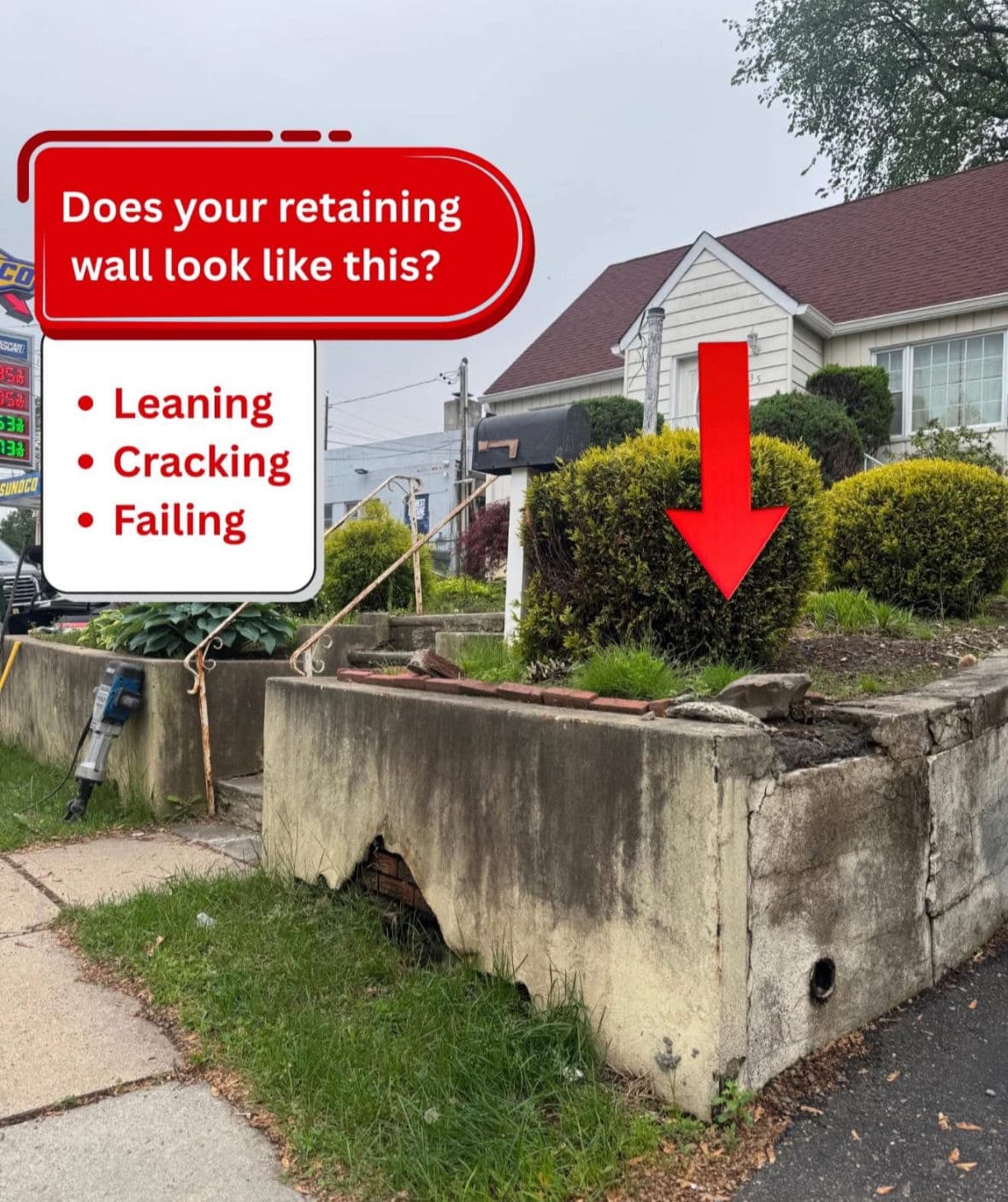
A retaining wall does more than just hold back soil—it protects your property from erosion, manages water, and keeps your landscape safe and usable. When it starts to fail, it’s not just a visual issue. It can lead to serious structural problems, drainage issues, and even safety risks around your home. The key is knowing what to look for early so you can fix or replace it before things get worse.
1. The Wall Is Leaning or Bowing
If your retaining wall is no longer straight and you notice it leaning forward or bowing outward, that’s one of the biggest red flags. This usually means the pressure from the soil behind it has overwhelmed the structure. Over time, water buildup and compacted soil create force that pushes the wall outward. Once movement starts, the structural integrity is compromised, and patch repairs won’t solve the root issue. In most cases, a leaning wall needs to be rebuilt with proper reinforcement and drainage.
2. Cracks Are Getting Bigger
Hairline cracks can sometimes be cosmetic, but larger or spreading cracks are a sign of deeper problems. Horizontal cracks are especially serious because they typically indicate stress from soil pressure. As these cracks grow, they weaken the wall’s ability to hold weight, eventually leading to sections breaking apart. If you’re seeing multiple cracks or ones that continue to widen, it’s usually more practical to replace the wall instead of trying to repair each section.
3. Drainage Problems and Water Build-Up
Water is one of the main causes of retaining wall failure. A properly built wall should have drainage systems like gravel backfill, weep holes, or drainage pipes to relieve pressure. If water is pooling behind the wall, leaking through it, or collecting at the base, that pressure builds up quickly. In colder climates, this becomes even worse due to freeze-thaw cycles, where water expands and contracts, pushing the wall further out of place. Poor drainage doesn’t just damage the wall—it accelerates its failure.
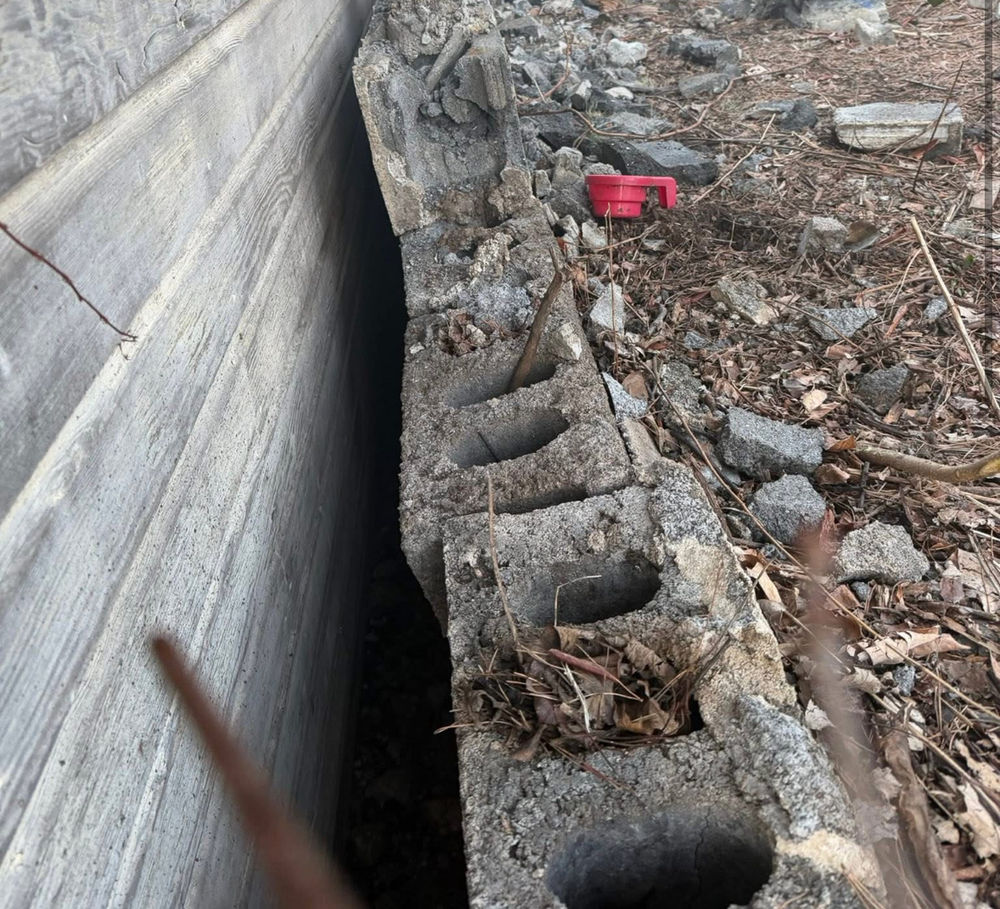
4. Sections Are Shifting or Separating
When parts of the wall begin to separate, tilt at different angles, or shift out of place, it’s a clear sign the foundation is no longer stable. This could be caused by soil movement, erosion underneath the base, or improper installation from the start. Retaining walls rely heavily on a solid foundation, and once that’s compromised, the entire structure becomes unreliable. At that point, rebuilding the wall correctly is the safest and most long-term solution.
5. Material Is Breaking Down
Different materials fail in different ways, but deterioration is always a sign of aging or poor conditions. Wood retaining walls may show rot, insect damage, or warping. Concrete and block walls might start to crumble, chip, or lose their surface integrity. Even stone walls can loosen over time if they weren’t installed properly. Once the materials start to break down, the wall loses strength and won’t be able to hold back soil effectively.
6. Soil Erosion Around the Wall
If you’re noticing soil washing away from behind or around the retaining wall, that’s a sign it’s no longer doing its job. You might see uneven ground, dips forming in your yard, or exposed areas near the base. Erosion not only weakens the wall but can also affect nearby structures like patios, walkways, or foundations. This is usually tied back to drainage issues or structural failure and should be addressed quickly.
7. The Wall Is Nearing the End of Its Lifespan
Even when a retaining wall looks okay on the surface, age plays a big role. Most retaining walls last around 15–20 years depending on materials and installation quality. If your wall is in that range and starting to show any of these signs, it’s often more cost-effective to replace it rather than continue making temporary repairs. A new wall built with proper techniques will last longer and perform better.
Need Help With Your Retaining Wall?
If your retaining wall is showing any of these signs, now is the time to take action before it turns into a bigger problem. At Altitude Construction Group, we specialize in building strong, long-lasting retaining walls designed to handle North Jersey conditions. From proper drainage to solid foundations, we make sure it’s built the right way from the start.
Reach out today for a free estimate and let’s take a look at your project before small issues turn into major repairs.