Why Your Paver Patio or Walkway Is Separating (And What It Really Means)
Learn why paver patios separate and how to fix them. Addressing base failures early can prevent costly repairs. Ensure proper installation to avoid issues.
Why Your Paver Walkway Is Separating (And What It Really Means)
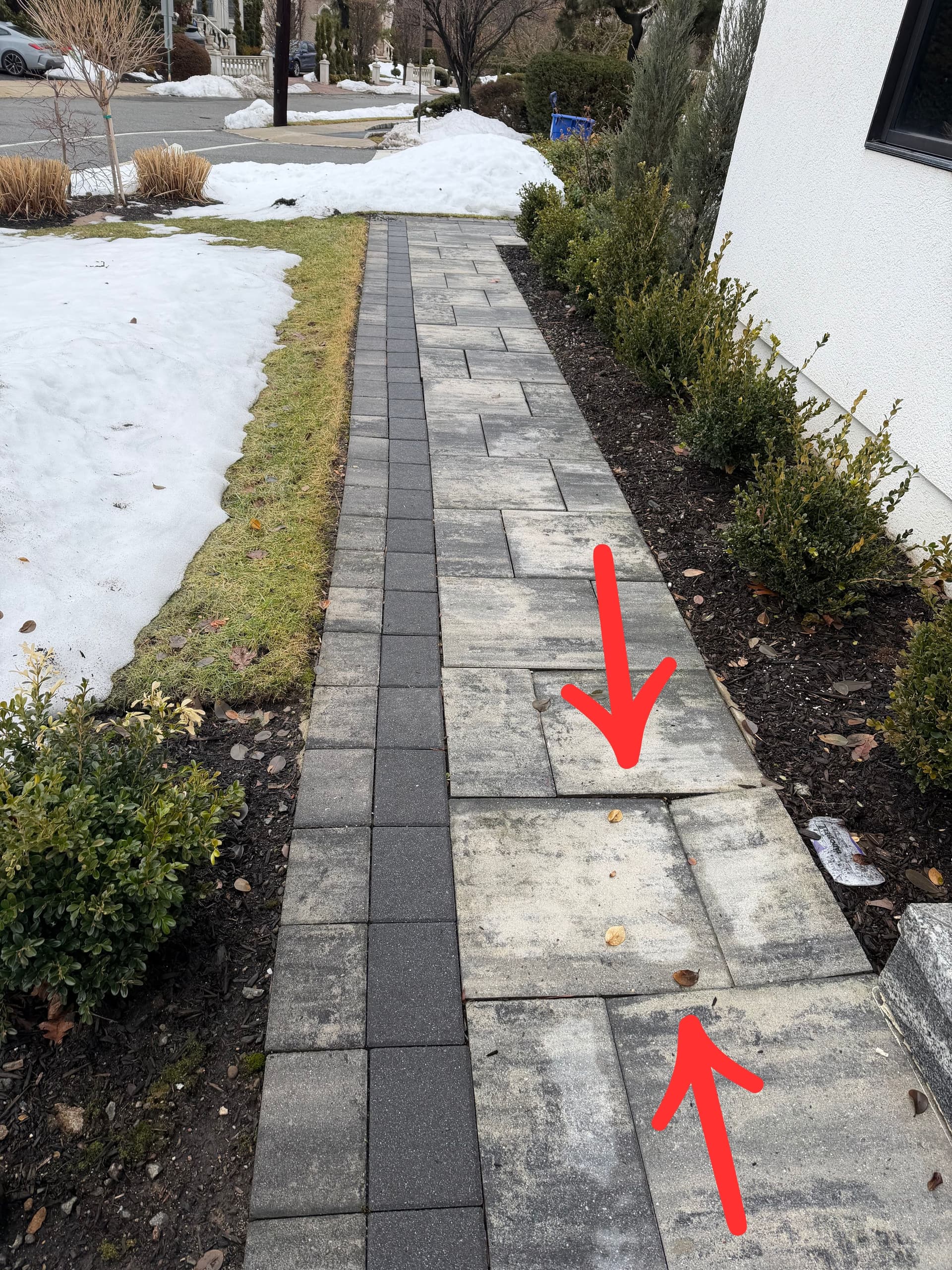
If you look closely at your walkway, you might start to notice small gaps forming between the pavers. At first, it doesn’t seem like a big deal.
But those small separations are usually the first sign that something underneath wasn’t done right.
What you’re seeing here is pavers shifting out of place. The joints are opening up, and certain sections are no longer sitting tight against each other. This isn’t random—it’s a sign of base failure.
What’s Actually Causing This?
In North Jersey, the ground is constantly moving. Between freezing winters, moisture, and soil conditions, anything installed on top of it needs a solid foundation.
When that foundation is rushed or done incorrectly, this is exactly what happens.
The most common reasons include:
Improper base preparation
If the area wasn’t excavated deep enough or compacted properly, the pavers will settle unevenly over time.Poor drainage
Water gets underneath the surface, weakens the base, and causes movement.No edge restraint
Without proper edge support, pavers begin to spread apart, especially along walkways like this.Wrong materials underneath
Using loose fill or basic sand instead of a compacted aggregate base leads to shifting.
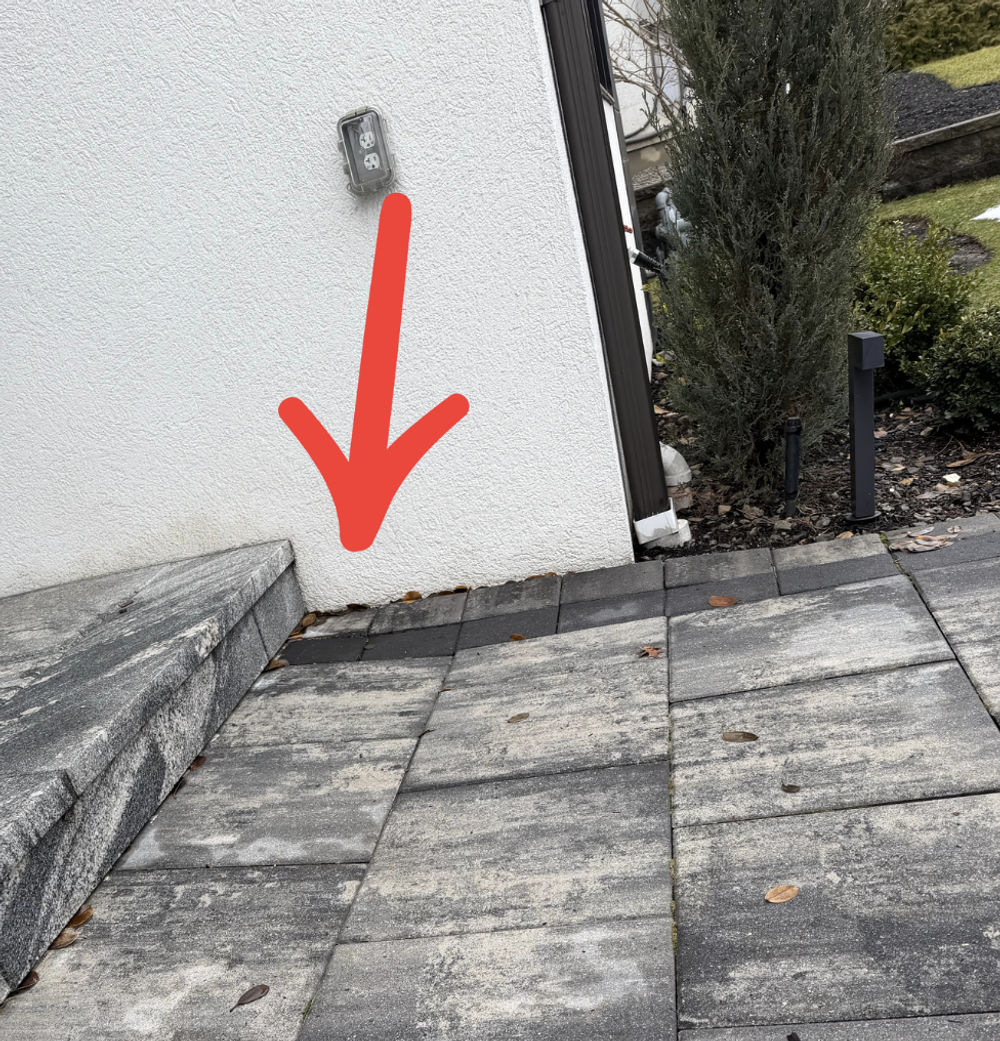
Why This Becomes a Bigger Problem
This isn’t just about appearance.
Once the pavers start separating, water gets into the joints and underneath the system. In the winter, that water freezes and expands, making the gaps worse.
Over time, more sections begin to move. What starts as a small issue can turn into a full walkway failure if it’s ignored.
Can It Be Fixed?
In some cases, yes.
If the issue is caught early, sections can be lifted, the base corrected, and the pavers reset properly.
But if the base is failing across the entire walkway, the only real solution is to remove everything and rebuild it the right way.
How This Should Have Been Installed
Most problems like this don’t come from the pavers themselves—they come from what’s underneath.
A proper installation should include:
Full excavation to the correct depth
A compacted aggregate base installed in layers
Proper grading to move water away
Solid edge restraint to keep everything locked in
When this is done correctly, pavers stay tight, level, and consistent for years.
Final Thoughts
The separation you’re seeing here is common, but it’s also completely preventable.
Small gaps are early warning signs. Fixing them early can save you from a much bigger repair later on.
At Altitude Construction, we focus on building patios and walkways the right way from the ground up, so issues like this don’t show up after the first winter.
If you’re starting to notice movement or gaps in your walkway, it’s worth taking a closer look now before it gets worse.