Is a Composite Fence Worth the Money?
Explore whether composite fencing is worth the upfront cost. Delve into durability, maintenance savings, and aesthetic values to make an informed decision.
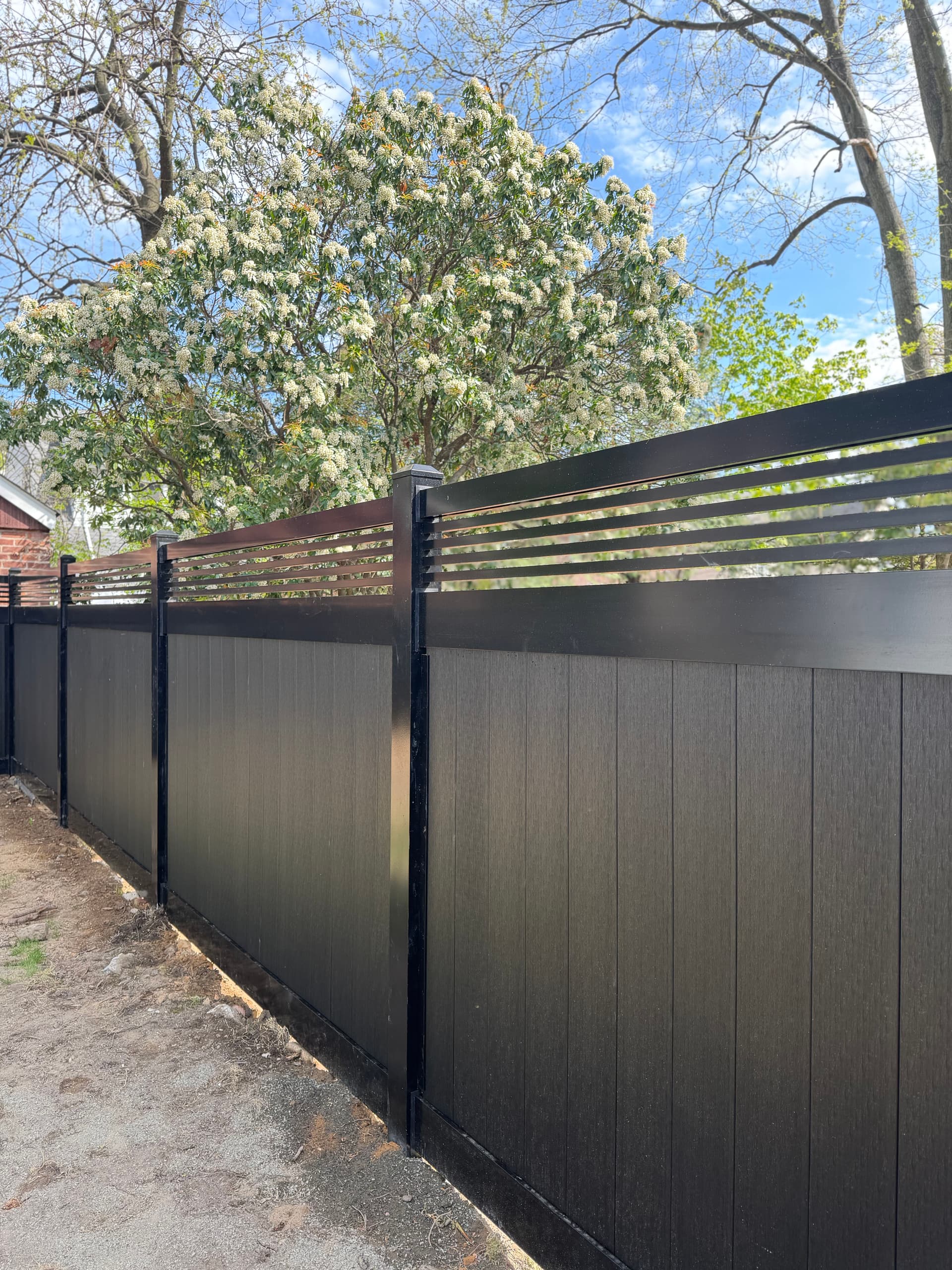
If you’ve been looking into upgrading your property, you’ve probably come across composite fencing—and the price likely made you stop for a second. It’s one of the more expensive fencing options upfront, so the real question becomes: is it actually worth it?
The answer depends on how you value durability, maintenance, and long-term appearance. For many homeowners, especially in areas with harsh weather like the Northeast, composite fencing ends up being one of the smartest investments you can make.
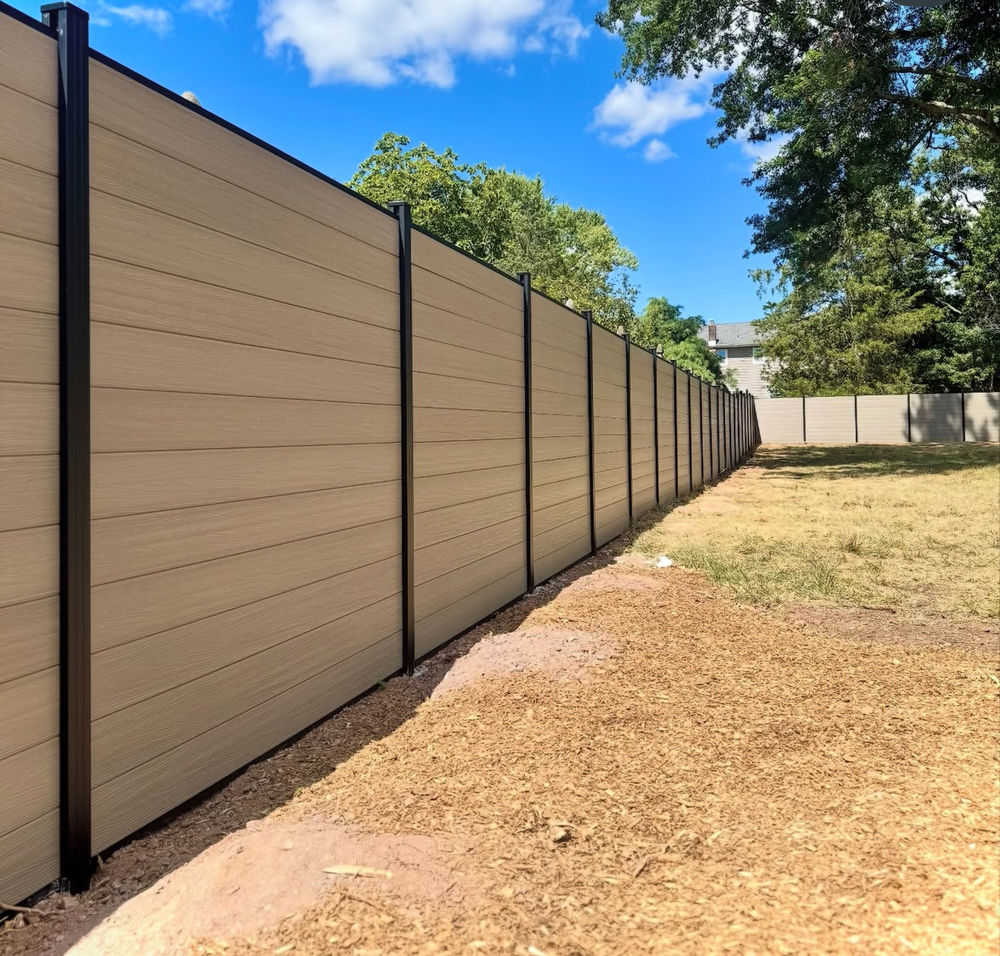
What Is a Composite Fence?
Composite fencing is made from a blend of recycled wood fibers and plastic polymers. This combination creates a material that looks similar to wood but performs much closer to plastic in terms of durability.
Most modern systems are installed with aluminum or steel posts, which adds structural strength and helps prevent issues like rotting, shifting, or long-term deterioration.
The Upfront Cost (Why It Feels Expensive)
There’s no way around it—composite fencing costs more than wood or even vinyl in many cases.
On average, homeowners can expect:
Higher material costs than wood or chain link
More precise installation, which can increase labor costs
Premium framing systems and hardware
This is why many people hesitate at first. But judging composite fencing only by upfront cost is where most people get it wrong.
Where Composite Actually Saves You Money
The real value of composite fencing shows up over time.
Unlike wood, it doesn’t rot, warp, or crack, and it doesn’t require staining or sealing every year. That alone removes a recurring cost that most homeowners underestimate.
Compared to lower-quality vinyl, composite tends to hold its color better and avoids that brittle, worn-out look that can happen after years of exposure.
When you factor in maintenance, repairs, and replacement cycles, composite fencing often becomes the more cost-effective option over a 10–20 year period.
Maintenance (Or Lack of It)
One of the biggest advantages of composite fencing is how little effort it requires to maintain.
A traditional wood fence demands regular attention—cleaning, sealing, replacing boards, and dealing with moisture damage. Composite eliminates almost all of that.
In most cases, a simple rinse or occasional wash is enough to keep it looking clean. For homeowners who don’t want to spend weekends maintaining their property, this is a major benefit.
Durability in Harsh Weather
In regions with heavy rain, snow, and temperature swings, material performance matters.
Composite fencing is designed to handle these conditions. It resists moisture absorption, which prevents rot, and it performs well through freeze-thaw cycles without expanding and contracting like natural wood.
When installed properly with strong posts and a solid foundation, it also holds up well against wind and general wear over time.
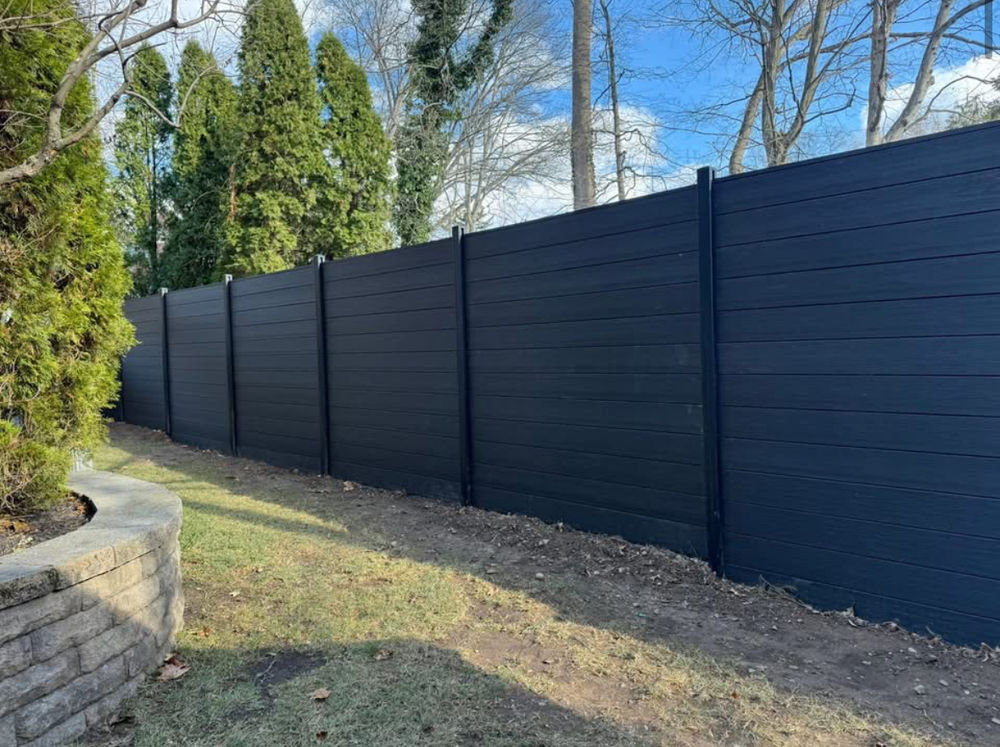
Aesthetic Value (This Matters More Than You Think)
Composite fencing is built for a clean, consistent look. Whether it’s horizontal or vertical, the lines stay straight, the color stays even, and the overall appearance remains sharp for years.
With wood, you’ll eventually see fading, warping, and inconsistencies. Composite avoids that, which makes a noticeable difference in how your property looks long-term.
For homeowners thinking about curb appeal or resale value, this consistency can be a strong advantage.
When Composite Might Not Be Worth It
Composite isn’t the right fit for every situation.
It may not make sense if:
You’re working with a tight upfront budget
The fence is temporary
You don’t mind ongoing maintenance
In those cases, wood or vinyl can still be practical choices depending on your goals.
Final Verdict: Is It Worth It?
If you’re planning to stay in your home and want something that looks high-end without the constant upkeep, composite fencing is absolutely worth the investment.
It’s not the cheapest option upfront, but it’s one of the few fencing materials that truly delivers long-term value.
You’re not just paying for a fence—you’re investing in durability, low maintenance, and a finished look that holds up over time.
Work With a Contractor Who Does It Right
At the end of the day, the material is only part of the equation. A composite fence is only as good as the way it’s installed.
That’s where Altitude Construction Group LLC comes in.
Altitude Construction specializes in high end composite fencing installations across North Jersey, with a strong focus on clean finishes, structural integrity, and long-term performance. Every project is handled in house no subcontractors so quality stays consistent from start to finish.
If you’re considering a composite fence and want it done the right way, reach out for a consultation and see what your property could look like with a properly built system.