Best Fence Types for North Jersey Weather
Explore durable fencing options suited for North Jersey weather, including composite, vinyl, aluminum, wood, and chain link.
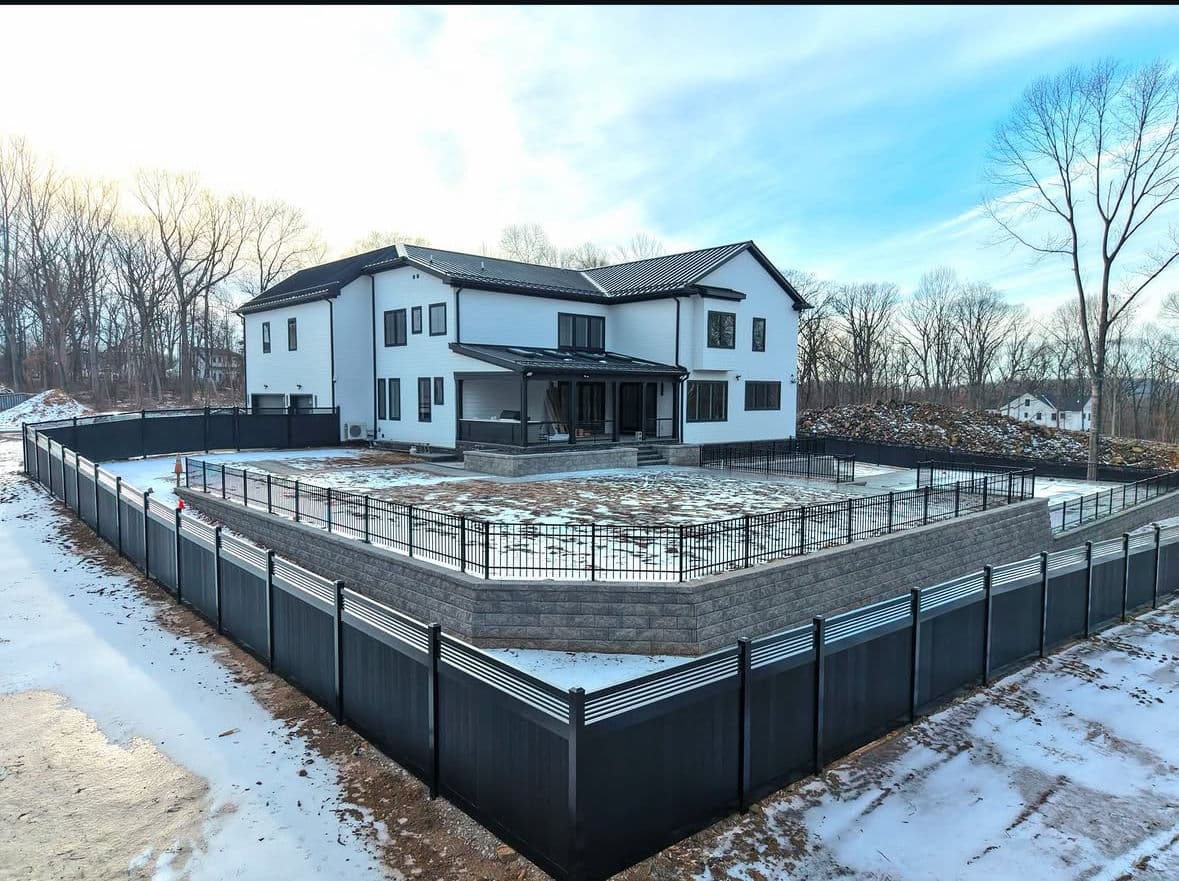
If you live in North Jersey, your fence isn’t just there for looks—it has to survive real conditions. Snow piling up in the winter, heavy rain in the spring, humidity in the summer, and constant temperature swings all year long. That freeze–thaw cycle alone is enough to destroy the wrong type of fence over time.
Because of that, choosing the right fence isn’t just about style. It’s about picking something that can handle the environment without constantly needing repairs or replacement.
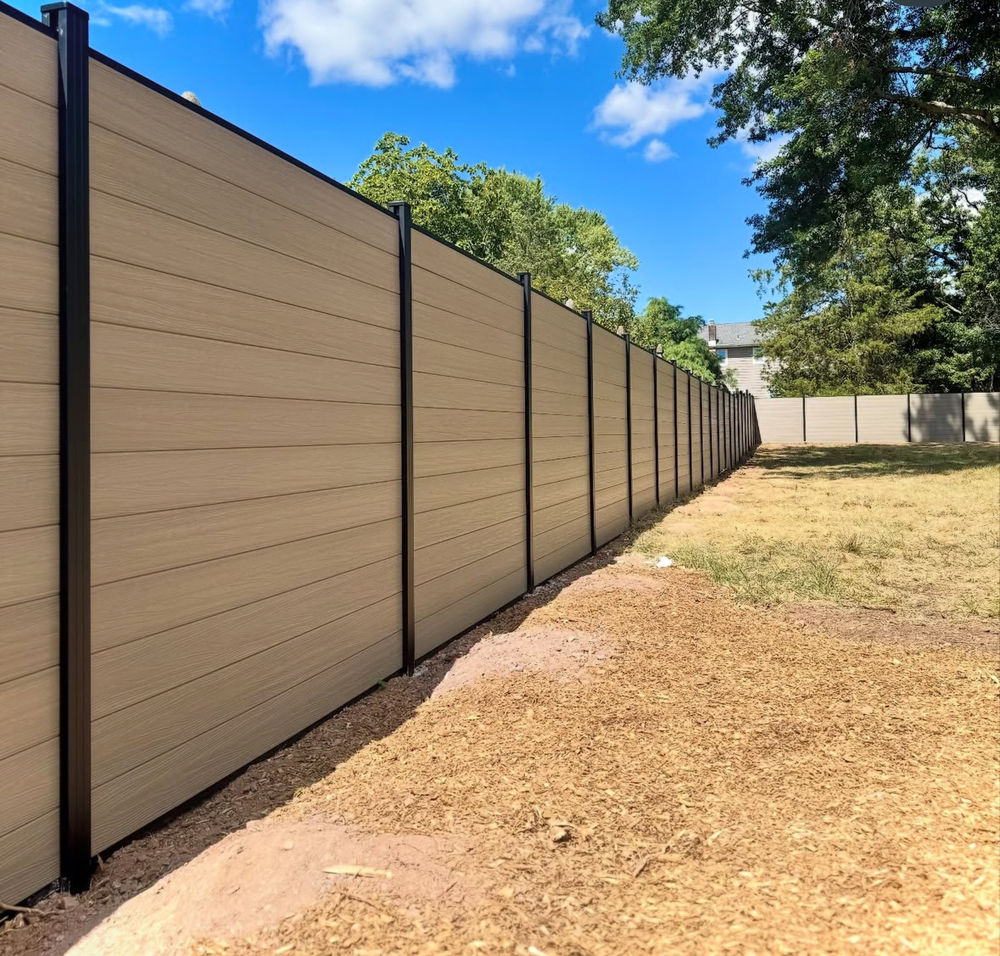
Composite Fencing (Best Overall)
Composite fencing has become one of the top choices across North Jersey, especially for homeowners looking for something long-term. It’s designed to mimic the look of wood but without the issues that come with it.
Instead of absorbing moisture like traditional wood, composite repels it. That makes a huge difference in a climate where materials are constantly expanding and contracting. Over time, that’s what causes most fences to crack, warp, or lean.
Composite stays consistent. It holds its shape, keeps its color, and doesn’t require staining or sealing every year. When installed properly, it handles wind, snow loads, and temperature changes without breaking down.
For homeowners who want a clean, modern look that lasts, this is usually the best investment.
Vinyl Fencing (Low Maintenance Option)
Vinyl fencing is another common choice, especially for people who want something simple and low maintenance. It doesn’t rot, it doesn’t need to be painted, and it’s easy to clean.
In North Jersey, though, vinyl has a bit of a trade-off. While it handles moisture well, colder temperatures can make it more brittle. That means during harsh winters or strong windstorms, cheaper or poorly installed vinyl fences are more likely to crack or fail.
That doesn’t mean vinyl is a bad option—it just means installation matters more. A properly installed vinyl fence with solid post support can still perform well and last years without issues.
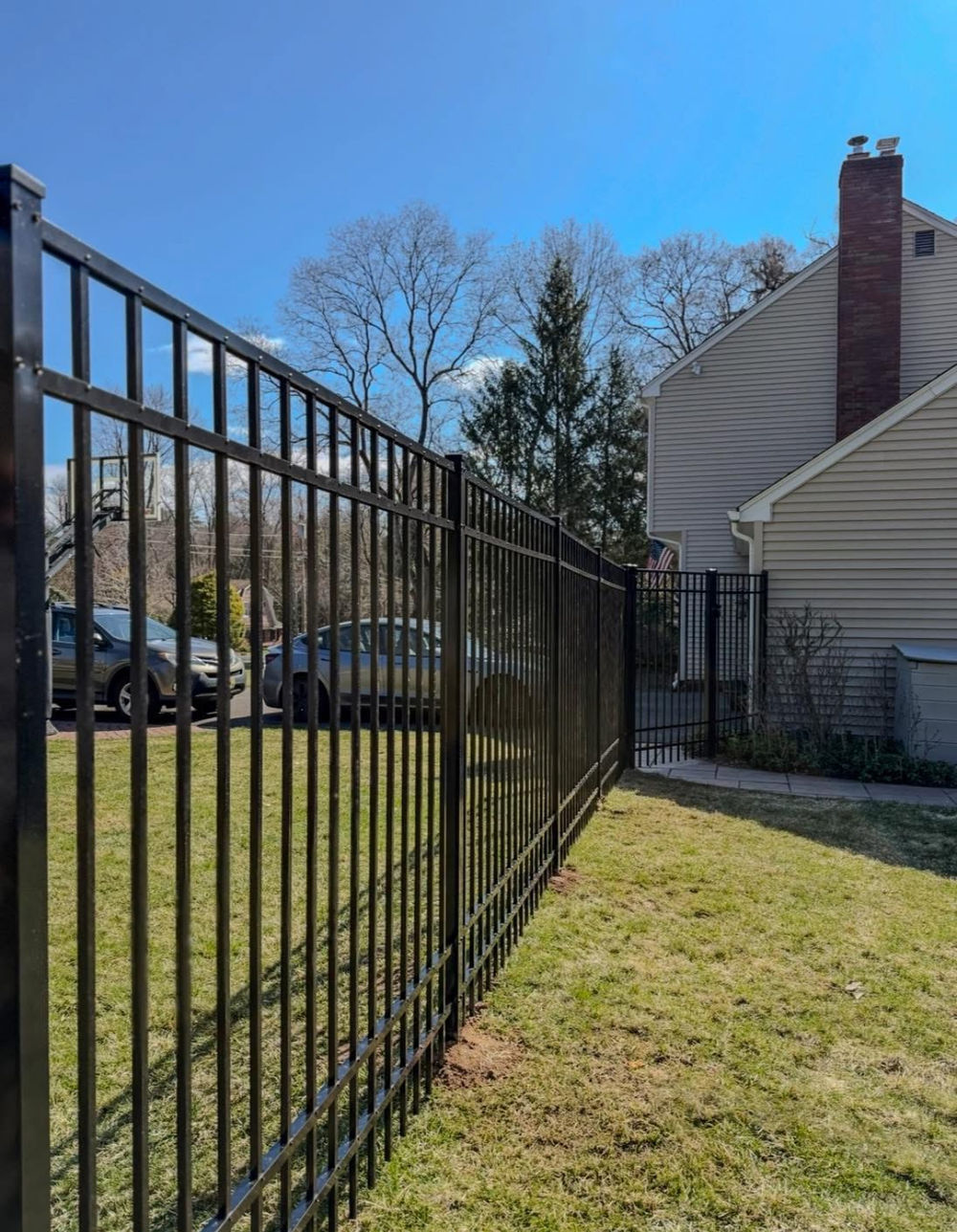
Aluminum Fencing (Strength Without the Maintenance)
Aluminum fencing is one of the most durable materials you can install, especially when it comes to dealing with weather. It doesn’t rust, it doesn’t absorb water, and it won’t crack from temperature changes.
It’s commonly used for front yards, pools, and properties where you don’t necessarily need privacy but still want security and a clean appearance.
Because of its open design, wind passes through it instead of pushing against it. That alone makes it one of the most stable options during storms.
The only real limitation is that it doesn’t provide privacy. But if that’s not a concern, aluminum is one of the easiest materials to live with long-term.
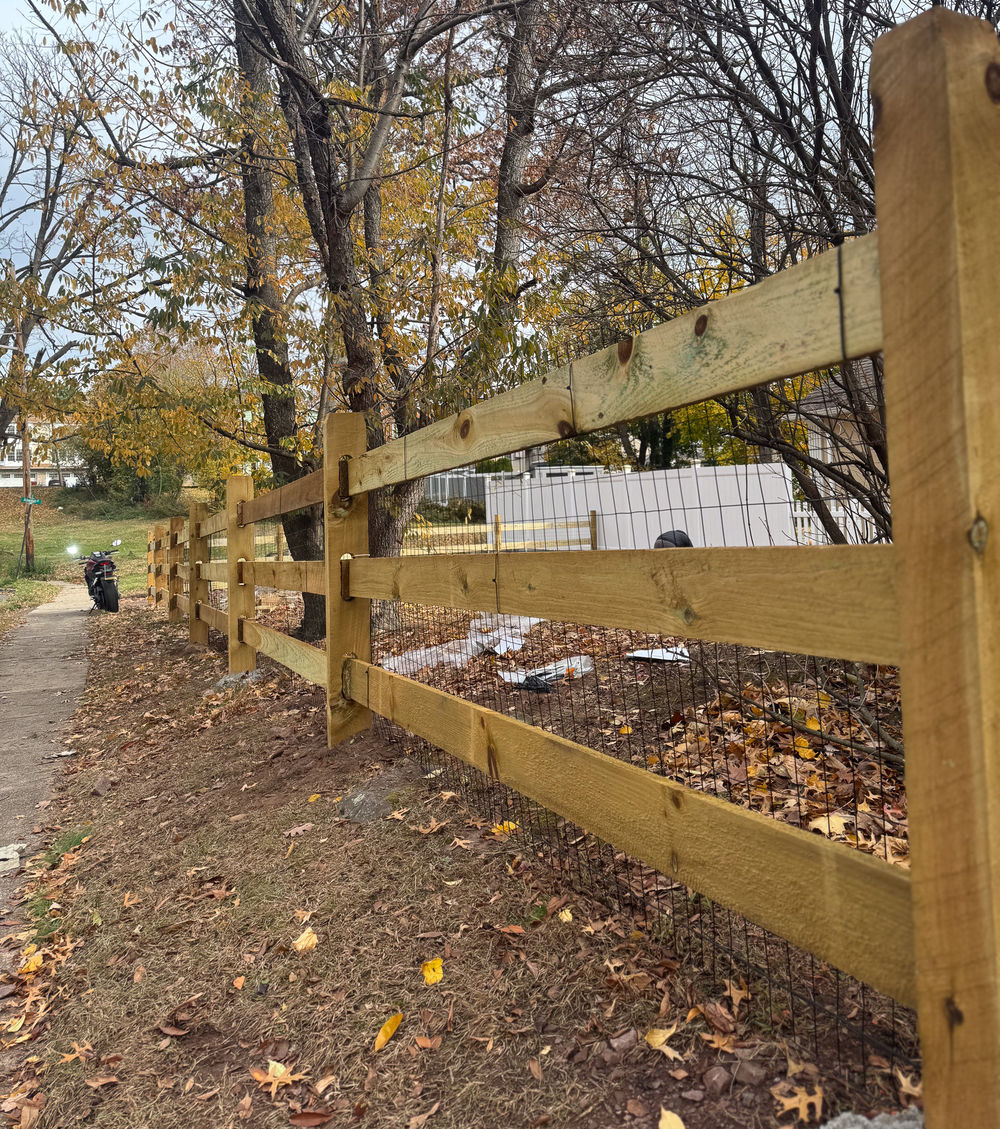
Pressure-Treated Wood (Traditional, but Demanding)
Wood fencing is still around for a reason—it has a natural look that a lot of homeowners like. But in North Jersey, it requires the most upkeep out of any option.
The problem is moisture. Wood absorbs it, which leads to swelling, shrinking, and eventually warping or rotting. Add in freezing temperatures, and that expansion and contraction speeds up the damage.
You can extend the life of a wood fence, but only if you stay on top of maintenance. That includes sealing, staining, and replacing boards over time. Without that effort, it tends to break down much faster in this climate.
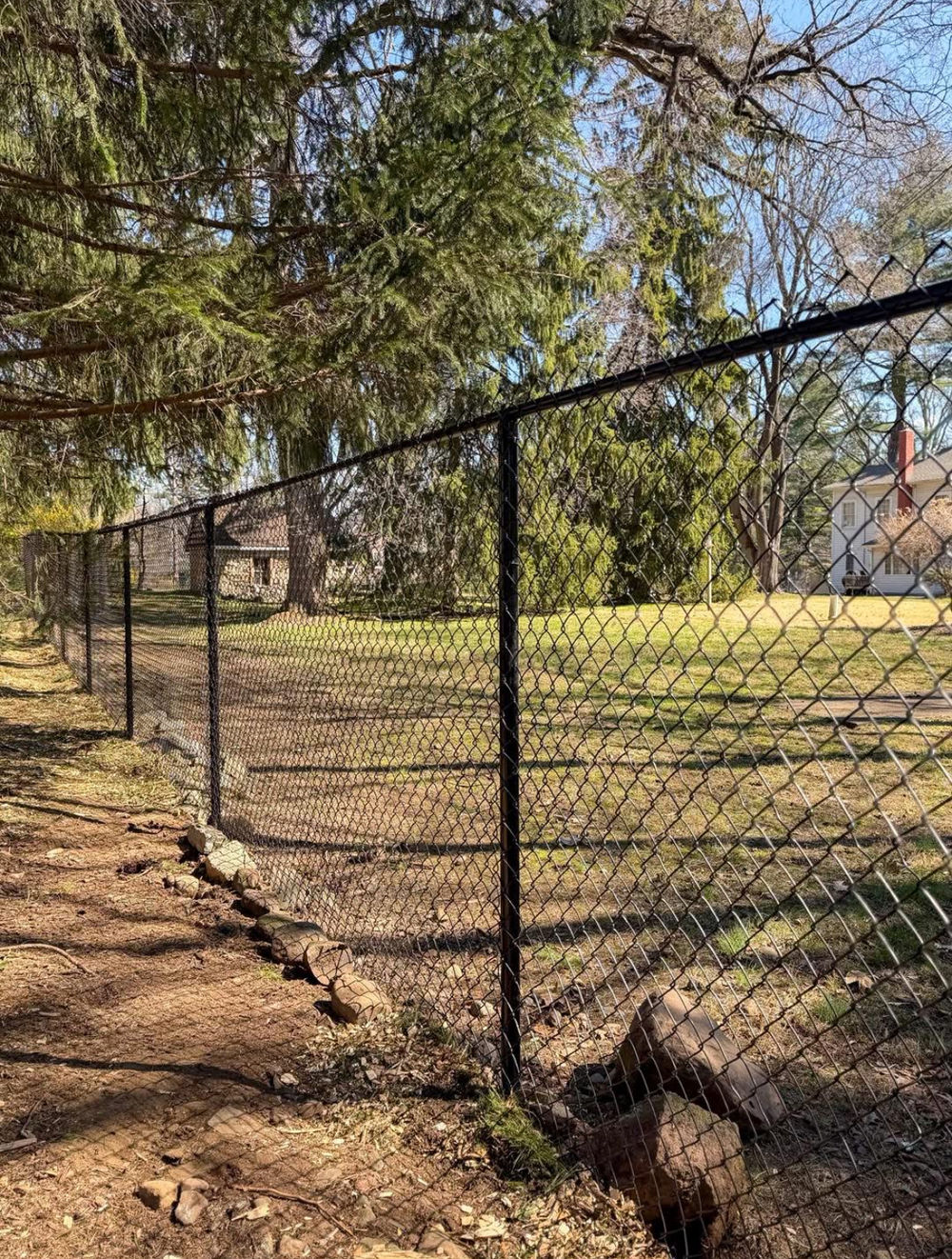
Chain Link (Practical and Reliable)
Chain link fencing is one of the most straightforward and durable options available. It handles weather extremely well because there’s nothing to absorb moisture or crack under pressure.
It’s commonly used for larger properties, backyards, or areas where function matters more than appearance. It’s also one of the most cost-effective options.
The trade-off is simple—it doesn’t offer privacy and doesn’t have the same visual appeal as other materials. But when it comes to reliability, it does the job without much maintenance.
What Actually Makes a Fence Last in North Jersey
The material you choose matters, but installation is what really determines how long your fence will last. In this area, there are a few things that can’t be overlooked:
Posts need to be set below the frost line to prevent movement
Concrete footings have to be done correctly to handle expansion and contraction
Drainage around the posts needs to be considered
Wind load should always be factored in, especially for privacy fences
A strong material installed incorrectly will still fail. On the other hand, a properly installed fence—even a basic one—can last significantly longer.
Final Thoughts
North Jersey weather is tough, and your fence has to be built with that in mind. The best choice depends on what you value most—whether that’s long-term durability, low maintenance, privacy, or cost.
Composite stands out as the most balanced option overall, especially for homeowners who want something that looks good and lasts. Vinyl and aluminum both offer strong alternatives depending on the situation, while wood and chain link still have their place when used the right way.
Need Help Choosing the Right Fence?
At Altitude Construction Group, we build fences specifically for North Jersey conditions. Every install is done with the climate in mind so you’re not dealing with problems a year or two down the line.
If you’re planning a new fence, reach out for a free estimate and we’ll help you choose something that actually holds up.